Lycopene vs Zinc for Prostate Health: Which One Do You Need?
| Lycopene | An antioxidant carotenoid from tomatoes and red produce — the pigment that makes them red. |
| Zinc | An essential mineral that happens to be concentrated in prostate tissue; men need it daily. |
| Better one? | Wrong question. Different roles — an antioxidant vs an essential mineral — so men usually want both. |
| Zinc caution | Stay within sensible amounts; the upper limit from all sources is 40 mg/day for adults. |
When men start reading about nutrients for the prostate, two names come up again and again: lycopene and zinc. Both have a long association with men’s wellness, both show up on supplement labels, and both are easy to confuse if you only skim the marketing. But they are completely different things — one is a plant pigment, the other is an essential metal your body cannot live without. This guide breaks down lycopene vs zinc for prostate health in plain terms: what each one is, where you get it, how men traditionally use it, and whether you really have to choose.
As always, this is general nutrition and supplement education, not medical advice. No supplement is intended to diagnose, treat, cure or prevent any disease. With that said, understanding the difference between these two nutrients makes you a far smarter shopper.
Lycopene: the antioxidant that makes tomatoes red
Lycopene is a carotenoid — a natural plant pigment — and it is what gives tomatoes, watermelon, pink grapefruit and guava their red or pink color. In the body, lycopene acts as an antioxidant, one of the compounds that helps neutralize free radicals as part of normal cellular housekeeping. It has drawn particular interest in men’s wellness because it is a well-studied dietary antioxidant strongly associated with tomato-rich eating patterns.
An interesting quirk: lycopene is more available to your body from cooked tomatoes than raw ones. Heat and a little fat — think tomato sauce with olive oil — make the lycopene easier to absorb. That is why a supplement using tomato-derived lycopene can be a convenient, consistent way to top up what your diet provides, especially if you do not eat tomato products often.
Zinc: the essential mineral men need daily
Zinc is not a plant compound at all — it is an essential trace mineral, meaning your body cannot make it and must get it from food or supplements. It plays a role in hundreds of enzyme reactions, immune function and normal cell metabolism. It also happens to be found in notably high concentrations in prostate tissue, which is a big part of why it has become a fixture in men’s-health conversations.
The important word with zinc is balance. Because it is essential, a shortfall matters — but because it is a mineral with a defined upper limit, more is emphatically not better. Adult men need about 11 mg per day, and the tolerable upper intake from all sources is 40 mg per day. Very high, long-term zinc intake can interfere with copper absorption and cause other problems, so sensible amounts win.

Lycopene vs zinc: the key differences
Lining up lycopene vs zinc for prostate health, the contrast is clearer than most ingredient comparisons because these two nutrients are fundamentally different categories:
- ✓ What it is. Lycopene is a plant antioxidant (a carotenoid); zinc is an essential mineral.
- ✓ Source. Lycopene comes from red produce, especially cooked tomatoes; zinc from oysters, meat, beans, nuts and pumpkin seeds.
- ✓ Role. Lycopene supports antioxidant activity; zinc is required for hundreds of everyday bodily processes.
- ✓ Do you need it? Zinc is essential — a true dietary requirement. Lycopene is beneficial but not classed as essential.
- ✓ Upper limit. Zinc has a firm ceiling (40 mg/day); lycopene has no comparable everyday concern at food-level amounts.
The takeaway is that they are not competitors. Asking whether lycopene or zinc is “better” for the prostate is a bit like asking whether a seatbelt or an oil change is better for your car — they do different jobs, and a sensible plan includes both.
Want lycopene built into a full plant-based stack?
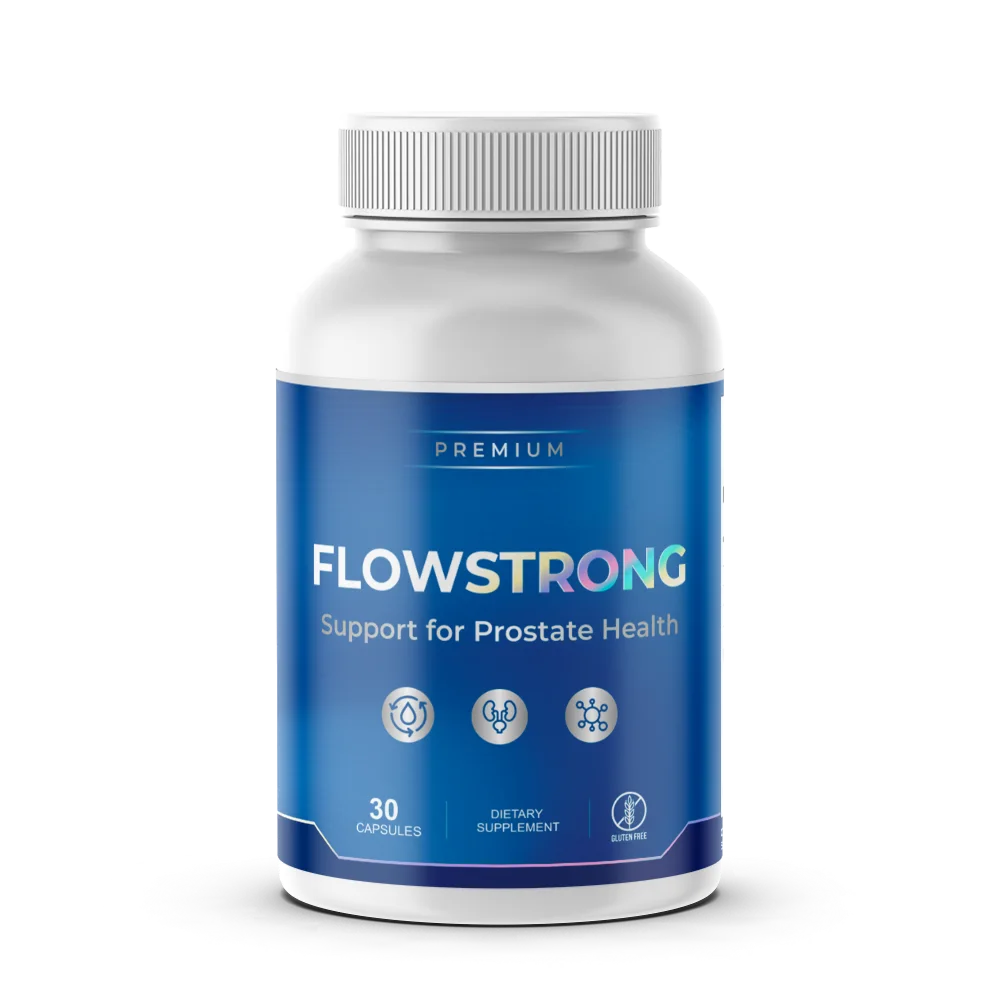
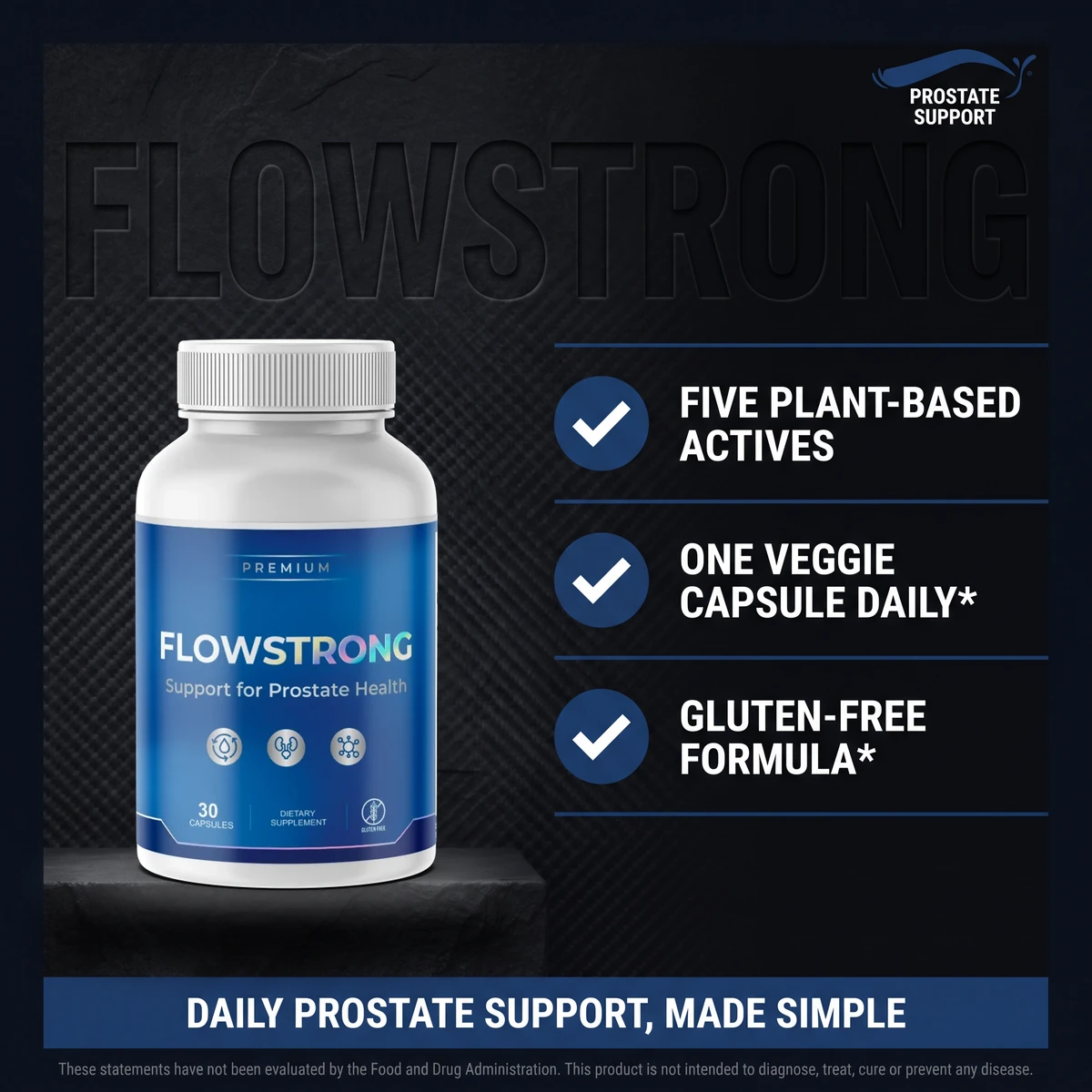
Flow Strong™ includes tomato-derived lycopene as one of five plant-based actives — alongside saw palmetto, pygeum, stinging nettle root and pumpkin seed, a traditional food source of zinc-related nutrients. One veggie capsule a day, made in the USA in a GMP facility, with a 60-day money-back guarantee.
See Flow Strong Pricing
Should you supplement, eat for it, or both?
For most men, food comes first. A varied diet that regularly includes cooked tomatoes and a source of zinc will cover a lot of ground on its own. Where supplements earn their place is in filling the gaps — the days you do not eat tomato sauce, or the stretches when your diet slips. This is exactly the “insurance” logic that makes a sensible daily supplement worthwhile for many men; we weigh that trade-off in detail in are prostate supplements worth it.
One practical warning on zinc: if you already take a standalone zinc supplement, a men’s multivitamin and a prostate formula, it is easy to stack up past the 40 mg ceiling without realizing it. Add up zinc from every product you take. When in doubt, favor formulas that use food-based sources like pumpkin seed and keep any added zinc within sensible amounts, and talk to your doctor.
How this fits a complete prostate routine
Neither lycopene nor zinc is a magic bullet — and no reputable brand should tell you otherwise. They are two threads in a broader fabric that also includes botanicals like saw palmetto and pygeum, sensible everyday habits, and consistency over months rather than days. If you want to see how the plant-based actives complement each other, our comparison of a multi-ingredient formula vs saw palmetto alone explains why a stack often makes more sense than chasing one nutrient.
The reason a combined formula is convenient is the same reason it is easy to sustain: one capsule, one reorder, one habit. And because prostate nutrients are used gradually, the routine you can actually keep for months matters far more than optimizing any single ingredient.
The bottom line
Lycopene and zinc are not rivals — they are a plant antioxidant and an essential mineral, doing different jobs. Zinc is a genuine dietary requirement with a firm upper limit; lycopene is a beneficial tomato-derived antioxidant with no comparable everyday concern. Rather than choosing one, most men are best served by getting both — ideally through a varied diet, topped up by a sensible, well-made formula. To keep building your knowledge, see our buyer’s guide to choosing a prostate supplement, or return to the Flow Strong homepage to see the full ingredient list.
What the research says about each nutrient separately
Lycopene and zinc are studied for different reasons, which is exactly why comparing them head-to-head is the wrong instinct. Lycopene has been tested directly in benign prostatic hyperplasia in a double-blinded randomized controlled clinical trial (Front Nutr, 2022), where it was examined as a dietary antioxidant rather than as a drug. Zinc has been studied mostly in the epidemiology of prostate cancer risk: a 30-year follow-up study of zinc supplement use and risk of aggressive prostate cancer (Eur J Epidemiol, 2022) is the kind of long-horizon cohort work that shapes how cautiously nutritionists talk about high-dose zinc.
The practical reading is that both are worth having in your diet and neither is worth mega-dosing from a bottle. Tomatoes, cooked and eaten with a little fat, are the classic lycopene source; shellfish, meat, seeds and legumes carry zinc. If you would rather cover both alongside the botanicals men’s formulas use, our comparison of a prostate supplement and a multivitamin is the more useful question, and our guide to pumpkin seed oil covers a food-derived ingredient that carries some of both.
And the line no supplement page should blur: urinary symptoms are a medical matter. Blood in your urine or semen, pain or burning when you pass urine, fever or chills alongside urinary symptoms, or any new or worsening change in how often or how urgently you go — those need a doctor who can examine and test you, not a capsule. Being unable to pass urine at all is a reason to seek urgent care. These symptoms can point to a urinary infection, an enlarged prostate or prostate cancer, and clinical guidance on evaluating them is summarised in the American Academy of Family Physicians’ evidence review of benign prostatic hyperplasia (Am Fam Physician, 2023) and by the NIDDK. No dietary supplement, Flow Strong included, is a treatment for any of them.
Frequently asked questions
Is lycopene or zinc better for prostate health?
They are not interchangeable, so “better” misses the point. Lycopene is an antioxidant carotenoid from tomatoes and other red produce, while zinc is an essential mineral concentrated in the prostate. Because they play different roles, many men aim to get both rather than choosing one over the other.
What foods contain lycopene and zinc?
Lycopene is highest in cooked tomatoes and tomato products, watermelon, pink grapefruit and guava. Zinc is found in oysters, red meat, poultry, beans, nuts and pumpkin seeds. A varied diet supplies both, and supplements can help fill gaps.
Can you take lycopene and zinc together?
Yes. They are commonly included together in men’s wellness formulas because their roles are complementary. As with any supplement, follow the label, avoid mega-dosing zinc, and speak to your doctor if you take medication or have a medical condition.
How much zinc is safe to take daily?
For adult men the recommended dietary allowance is 11 mg per day, and the tolerable upper intake level from all sources is 40 mg per day. Very high, long-term zinc intake can cause problems, so more is not better — stay within sensible label amounts unless a clinician advises otherwise.
Does Flow Strong contain lycopene and zinc?
Flow Strong includes tomato-derived lycopene as one of its five plant-based actives, alongside pumpkin seed, which is a traditional food source of zinc-related nutrients. Always check the current Supplement Facts panel on the label for exact amounts.
References
- FruHis significantly increases the anti-benign prostatic hyperplasia effect of lycopene: A double-blinded randomized controlled clinical trial (Frontiers in nutrition, 2022) pubmed.ncbi.nlm.nih.gov
- Zinc supplement use and risk of aggressive prostate cancer: a 30-year follow-up study (European journal of epidemiology, 2022) pubmed.ncbi.nlm.nih.gov
- Benign Prostatic Hyperplasia: Rapid Evidence Review (American family physician, 2023) pubmed.ncbi.nlm.nih.gov
- NIH Office of Dietary Supplements. “Zinc — Fact Sheet for Consumers.” ods.od.nih.gov
- Harvard T.H. Chan School of Public Health. “Lycopene.” nutritionsource.hsph.harvard.edu
- NIH Office of Dietary Supplements. “Dietary Supplements: What You Need to Know.” ods.od.nih.gov
- U.S. Food & Drug Administration. “Dietary Supplements.” fda.gov
- Federal Trade Commission. “Health Products Compliance Guidance.” ftc.gov
† These statements have not been evaluated by the Food and Drug Administration. Flow Strong is a dietary supplement and is not intended to diagnose, treat, cure or prevent any disease. This article is general information only and is not medical advice; consult your physician before starting any supplement, especially if you take medication or have a medical condition.