Are Prostate Supplements Worth It? Honest Answers to Common Questions
| The question | Are prostate supplements worth it — or just clever marketing? |
| Honest answer | They are everyday support, not a cure; worth it mainly as a convenient, consistent way to get traditional botanicals. |
| Best fit | Men over 40 who want a simple daily habit, have a narrow diet, and will actually take it consistently. |
| Make it count | Buy quality, be consistent, use the money-back guarantee, and keep your doctor in the loop. |
It is a fair, slightly skeptical question, and one worth asking before you spend a cent: are prostate supplements worth it? The shelves are crowded, the marketing is loud, and every man over 40 has heard both glowing testimonials and dismissive shrugs. This article answers the common questions honestly — what these supplements can and cannot reasonably do, who tends to consider them, and how to decide whether one earns a place in your routine.
This is general educational information, not medical advice. No supplement is intended to diagnose, treat, cure or prevent any disease, and everything below describes traditional and general use.
What a prostate supplement actually is — and isn’t
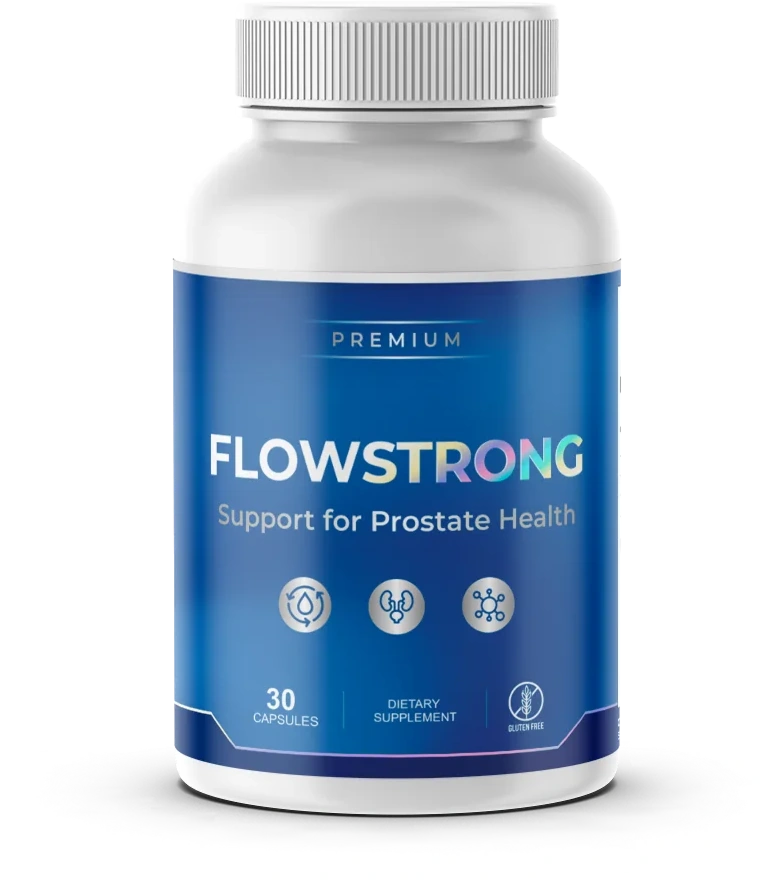
A prostate supplement is a dietary supplement, usually built around plant-based ingredients such as saw palmetto, pygeum, pumpkin seed, stinging nettle and lycopene, that men take for everyday, general prostate and urinary wellness. That is the honest framing. It is not a medicine, it is not a cure, and it is not a substitute for seeing a doctor. Any product promising to “shrink” or “cure” anything is over-promising, and that is a reason to be more skeptical, not less.
Seen in that light, the “worth it” question becomes clearer. You are not buying a treatment; you are buying convenient, consistent daily access to plant-based ingredients men have used for generations, in the hope of supporting normal function as part of an overall healthy routine.
Are prostate supplements worth it? The honest answer
Here is the balanced view. The research on prostate botanicals is genuinely mixed — some men report they value them, and reputable health bodies describe them as popular and generally well-tolerated rather than proven. So a supplement is best thought of as one optional layer on top of the things that clearly matter: diet, movement, a healthy weight, good bathroom habits and regular check-ups.
For many men, a supplement is worth it not because it works miracles, but because it is an easy, low-effort way to be consistent with ingredients they would otherwise struggle to get every day. For others — especially those who already eat a very rich, varied diet — the added value may be smaller. Neither answer is wrong; it depends on your habits, your budget and your priorities. If you decide to try it, you can see the packages and the money-back guarantee before you commit.
Who tends to find them worthwhile
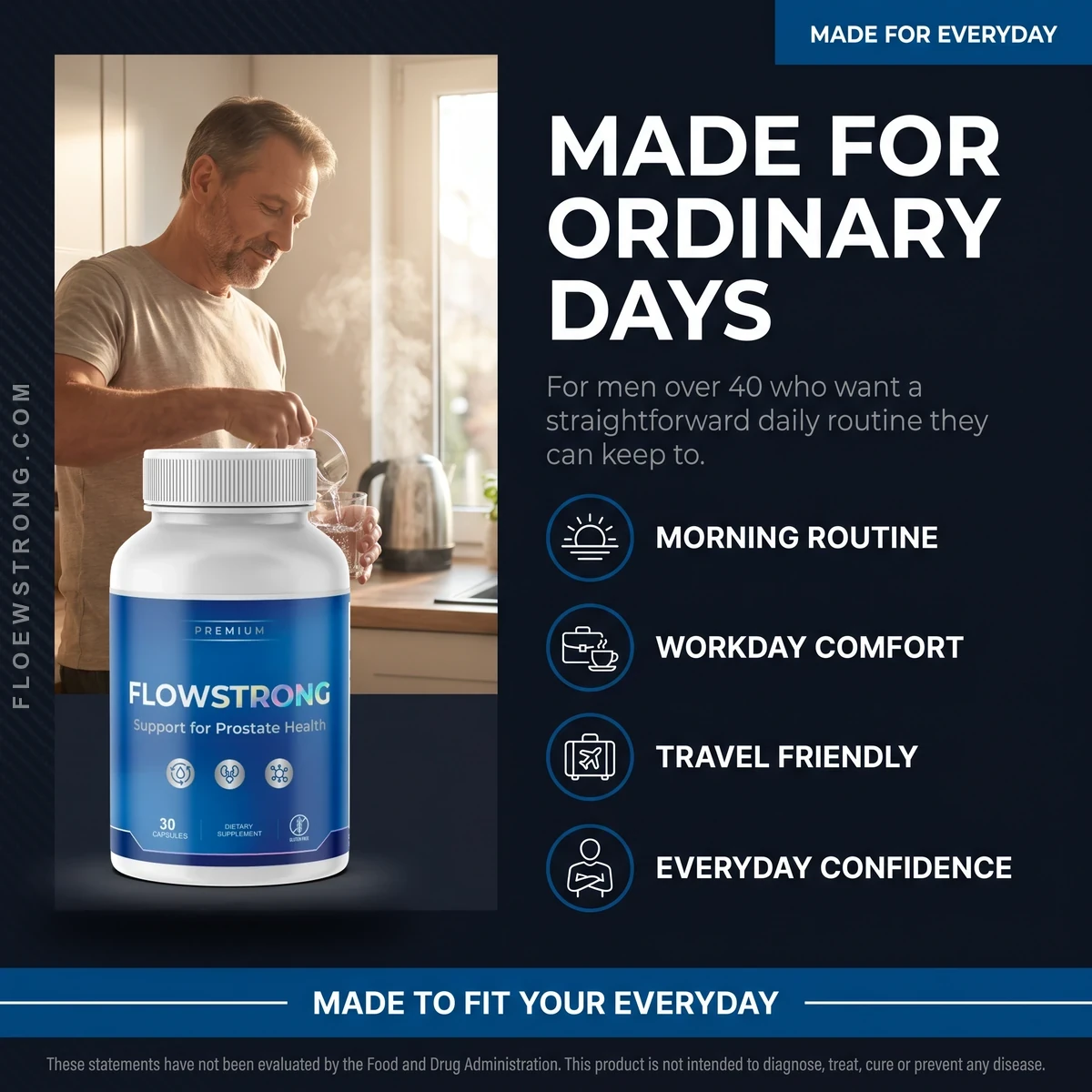
- ✓ Men over 40 who want a simple, proactive daily habit rather than waiting until they feel they need one.
- ✓ Men whose diets are narrow and who rarely eat tomatoes, pumpkin seeds or a wide range of vegetables.
- ✓ Men who value convenience — one capsule beats trying to hit the right foods perfectly every day.
- ✓ Men who like routine and will genuinely take it consistently, which is where botanicals earn their keep.
Notice that none of these depend on a dramatic promise. They depend on convenience, consistency and filling dietary gaps — realistic reasons a realistic product can deliver on.
When a supplement is probably not the answer
Be honest with yourself in the other direction too. A supplement is not worth it if you are using it to replace a doctor’s visit for a symptom that worries you, if you expect it to undo an otherwise unhealthy lifestyle, or if you will forget to take it after week two. New or persistent changes in urination, discomfort or anything alarming deserve a proper medical evaluation — not a supplement. On the lifestyle side, the foundational habits do the heavy lifting; our guide on how to support prostate health after 40 covers those in plain English.
How to make it genuinely worth it
If you do decide to try one, a few choices tilt the odds in your favor:
- ✓ Buy quality. Choose a GMP-made, honestly labeled product with named ingredients at real doses — our buyer’s guide shows you exactly how.
- ✓ Be consistent. Anchor it to an existing daily habit so you never skip it.
- ✓ Give it a fair trial. Judge it over several weeks to a few months, not a few days.
- ✓ Use the guarantee. A money-back guarantee makes the first bottle low-risk.
- ✓ Keep your doctor in the loop about age-appropriate screening and anything that concerns you.
Low-risk to try, easy to keep up
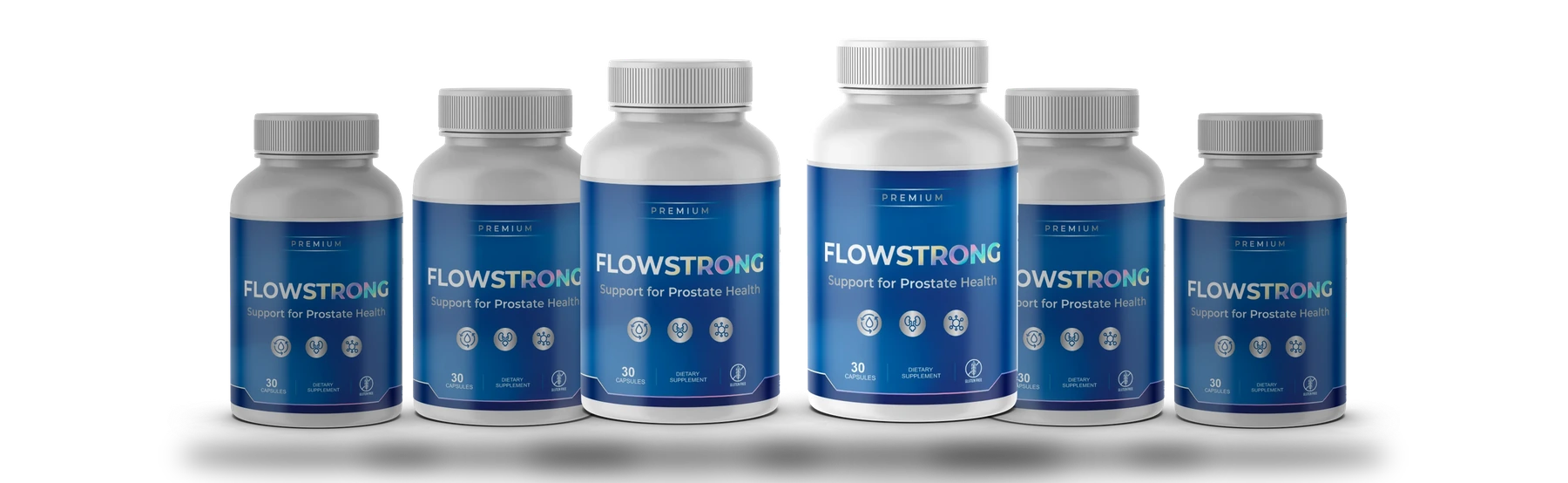
Flow Strong™ is a once-daily, plant-based veggie capsule combining five traditional botanicals — and it is backed by a 60-day money-back guarantee, so a first bottle costs you nothing to try if it is not for you.
Try Flow Strong Risk-FreeWhat about cost?
Because these products are taken over months, per-day cost is the number that matters. Multi-bottle packages usually bring the per-bottle price down and keep you from running out mid-routine. If the daily cost is comfortable for your budget and the guarantee protects your first order, the financial risk of finding out whether it suits you is small. If you are still weighing ingredients, our comparison of a multi-ingredient formula vs saw palmetto alone can help, or head to the Flow Strong homepage to see the current packages.
The cost-benefit math, without the hype
Strip away the marketing and the decision is really a small wager. On the cost side sits a modest per-day price — usually less when you buy a multi-bottle pack — plus the minor effort of remembering a daily capsule. On the benefit side sits convenient, consistent access to plant-based ingredients men have used for generations, and the peace of mind of doing something proactive. Because a genuine money-back guarantee protects your first order, the downside of finding out whether it suits you is small and reversible.
That framing is deliberately unglamorous, and that is the point. A product does not need to promise miracles to be a reasonable purchase; it needs to be affordable over the months you will actually take it, honestly made, and easy to stop if it is not for you. Judged on those terms, a quality supplement is a low-stakes experiment rather than a leap of faith.
A 60-second self-check before you buy
- ✓ Are my expectations realistic? You are buying everyday support, not a cure.
- ✓ Will I actually take it daily? If not, fix the habit first — a bottle in a cupboard does nothing.
- ✓ Have I ruled out a symptom that needs a doctor? Anything worrying deserves medical care, not a supplement.
- ✓ Is the daily cost comfortable for months? This is a long game, so the per-day price is what matters.
- ✓ Is my first bottle protected? A money-back guarantee makes the trial low-risk.
If you can tick those boxes honestly, a supplement is a sensible thing to try. If you cannot, the honest answer might be “not yet” — and that is a perfectly good answer too.
The bottom line
Are prostate supplements worth it? For many men over 40, yes — as a convenient, consistent, low-risk way to include traditional plant-based ingredients in a daily routine, provided you buy quality, take it consistently and keep your expectations realistic. They are not a cure, not a replacement for medical care, and not a fix for an unhealthy lifestyle. Judge them for what they are — everyday support — and the decision gets a lot easier.
Weighing cost against what the evidence actually supports
A prostate supplement is worth buying only if you are honest with yourself about what you are buying: a plausible daily habit built on traditional botanicals, not a treatment with a proven outcome. A review of the treatment of benign prostatic hyperplasia by natural drugs (Molecules, 2021) surveys the botanicals used in this category and lands where careful readers usually land — a real body of research, genuine mechanistic interest, and results too mixed to promise anyone anything. The largest pooled review of the category’s best-known ingredient (World J Mens Health, 2024) found little to no difference from placebo on urinary symptoms, which is the number any honest value calculation has to start from.
Value, then, is mostly about fit. If you would take a capsule daily anyway and the cost does not bother you, the downside is small and the upside is uncertain but real. If you are hoping it will replace a prescription or fix a symptom that is already bothering you, it is not worth it at any price. Two comparisons help you decide: whether a prostate supplement or a multivitamin is the better first purchase, and whether the product you are looking at is regulated the way you assume it is.
And the line no supplement page should blur: urinary symptoms are a medical matter. Blood in your urine or semen, pain or burning when you pass urine, fever or chills alongside urinary symptoms, or any new or worsening change in how often or how urgently you go — those need a doctor who can examine and test you, not a capsule. Being unable to pass urine at all is a reason to seek urgent care. These symptoms can point to a urinary infection, an enlarged prostate or prostate cancer, and clinical guidance on evaluating them is summarised in the American Academy of Family Physicians’ evidence review of benign prostatic hyperplasia (Am Fam Physician, 2023) and by the NIDDK. No dietary supplement, Flow Strong included, is a treatment for any of them.
Frequently asked questions
Are prostate supplements worth the money?
For many men over 40 they can be, as a convenient and consistent way to include traditional plant-based ingredients in a daily routine. They are best viewed as optional everyday support on top of diet, movement and check-ups, not as a treatment. Because research is mixed and individual experiences vary, a money-back guarantee is a sensible way to test whether one suits you.
Do prostate supplements really work?
Botanicals such as saw palmetto, pygeum, pumpkin seed, nettle and lycopene have a long history of traditional use, but the research is mixed and health authorities describe them as popular and generally well-tolerated rather than proven. They are one part of an overall routine, not a stand-alone fix.
Who should not rely on a prostate supplement?
Anyone using it to replace a doctor's visit for a symptom that worries them. New or persistent changes in urination, discomfort or anything alarming deserve a proper medical evaluation. A supplement is not a substitute for medical care and will not undo an otherwise unhealthy lifestyle.
How can I make a prostate supplement more likely to be worth it?
Choose a quality, honestly labeled product with named ingredients at real doses, take it consistently by anchoring it to an existing habit, give it a fair trial of several weeks to a few months, use any money-back guarantee, and keep your doctor informed about age-appropriate screening.
Is it cheaper to get these ingredients from food instead?
You can get several of them from food — cooked tomatoes for lycopene, pumpkin seeds, and a varied vegetable-rich diet. A supplement mainly buys convenience and consistency for men who struggle to hit those foods every day. If your diet is already very rich and varied, the added value may be smaller.
References
- Treatment of Benign Prostatic Hyperplasia by Natural Drugs (Molecules (Basel, Switzerland), 2021) pubmed.ncbi.nlm.nih.gov
- Benign Prostatic Hyperplasia: Rapid Evidence Review (American family physician, 2023) pubmed.ncbi.nlm.nih.gov
- National Center for Complementary and Integrative Health (NCCIH). “Saw Palmetto.” nccih.nih.gov
- NIH Office of Dietary Supplements. “Dietary Supplements: What You Need to Know.” ods.od.nih.gov
- National Institute of Diabetes and Digestive and Kidney Diseases (NIDDK). “Prostate Enlargement (Benign Prostatic Hyperplasia).” niddk.nih.gov
- Mayo Clinic. “Benign prostatic hyperplasia (BPH) — Lifestyle and home remedies.” mayoclinic.org
- Federal Trade Commission. “Health Products Compliance Guidance.” ftc.gov
† These statements have not been evaluated by the Food and Drug Administration. Flow Strong is a dietary supplement and is not intended to diagnose, treat, cure or prevent any disease. This article is general information only and is not medical advice; consult your physician before starting any supplement, especially if you take medication or have a medical condition.